How to stiffen a part without a solid infill
1 The infill slider is the wrong first move
Walls feel soft, so you slam infill toward solid. That cooks the interior, adds print time, and still leaves a thin shell where your fingers actually push.
2 Strength is mostly perimeters
Prusa says the strength of a model is mostly defined by the number of perimeters, not the infill. Infill still matters for compression and for holding up top layers. The outer shell carries the bend and the squeeze.
3 Everyday parts are not a brick
Bambu’s guidance for everyday non-structural parts is a couple of walls and about 15 percent infill. A clip, bracket, or box does not need a solid interior to stop feeling soft.
4 Add wall loops first
If it flexes, add wall loops before you fill the inside. Print time drops, and the part usually feels stiffer right where you push it. Weak walls are a wall problem.
FAQ
Does more infill make a part stronger?
Infill helps compression and holds up top layers. Prusa says the strength you feel when you bend or squeeze a part is mostly the number of perimeters. More infill is not the first fix for soft walls.
How much infill do everyday parts need?
Bambu’s guidance for everyday non-structural parts is a couple of walls and about 15 percent infill. That is not a solid brick of plastic.
What should I change when a clip flexes?
Add wall loops. The outer shell is what your fingers push. Filling the interior solid spends time and filament on the part of the model that is not doing that job.
When does infill still matter?
Compression, and holding up top layers. If the top is sagging into a sparse interior, infill is part of that. Soft side walls are still a perimeter problem first.
Full transcript
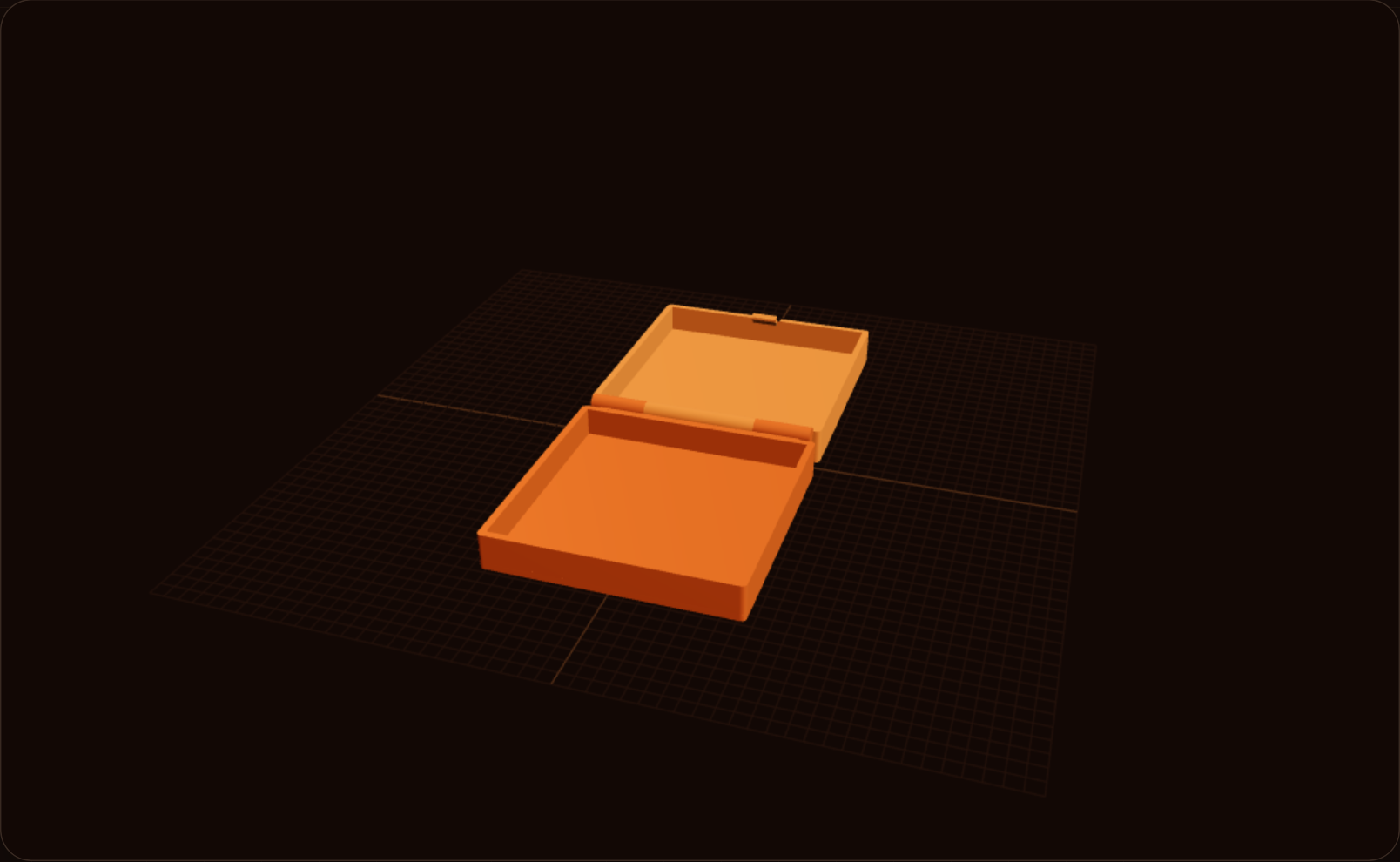
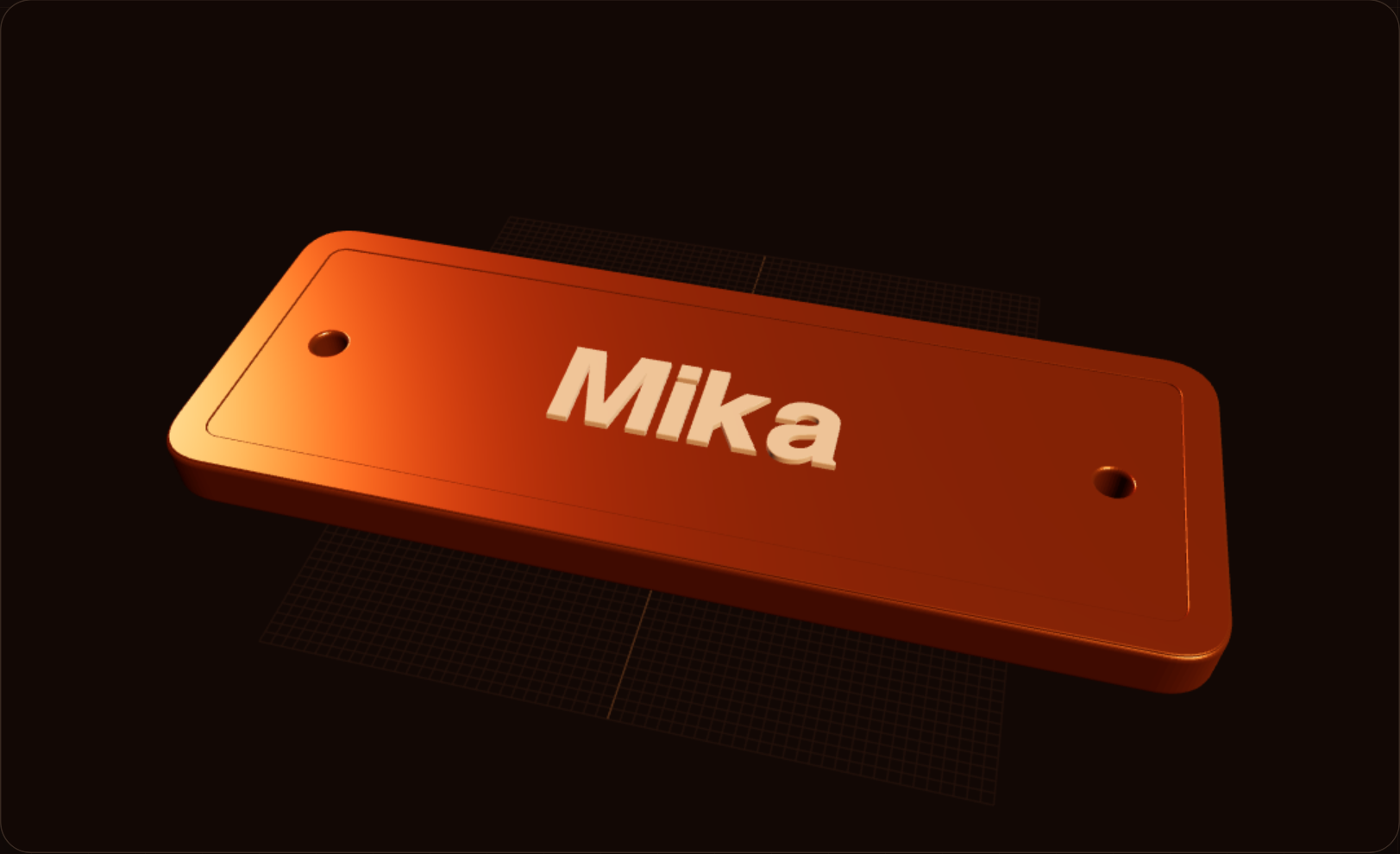
Walls feel soft so you slam the infill slider up. That is the wrong first move, and it is a common one. Prusa says it straight: the strength of a model is mostly defined by the number of perimeters, not the infill. Infill still matters for compression and for holding up top layers, but the outer shell carries most of the real-world load when you bend or squeeze a part. Bambu's guidance for everyday non-structural parts is basically a couple of walls and about 15 percent infill, not a solid brick of plastic. So if a clip, bracket, or box flexes, add wall loops before you cook the whole interior solid. Print time drops, and the part usually feels stiffer right where your fingers push. Weak walls are a wall problem. Fix the walls first. When you want a functional print without CAD, Obloid's free hinged box and nameplate tools spit out an STL in the browser.
 Why holes print undersized
 The STL looked fine until you sliced it
 5 mistakes every 3D printing beginner makes
 Stop putting a brim on every print
 If it smells burnt, drop the nozzle temp
 Don't print PETG on smooth PEI