
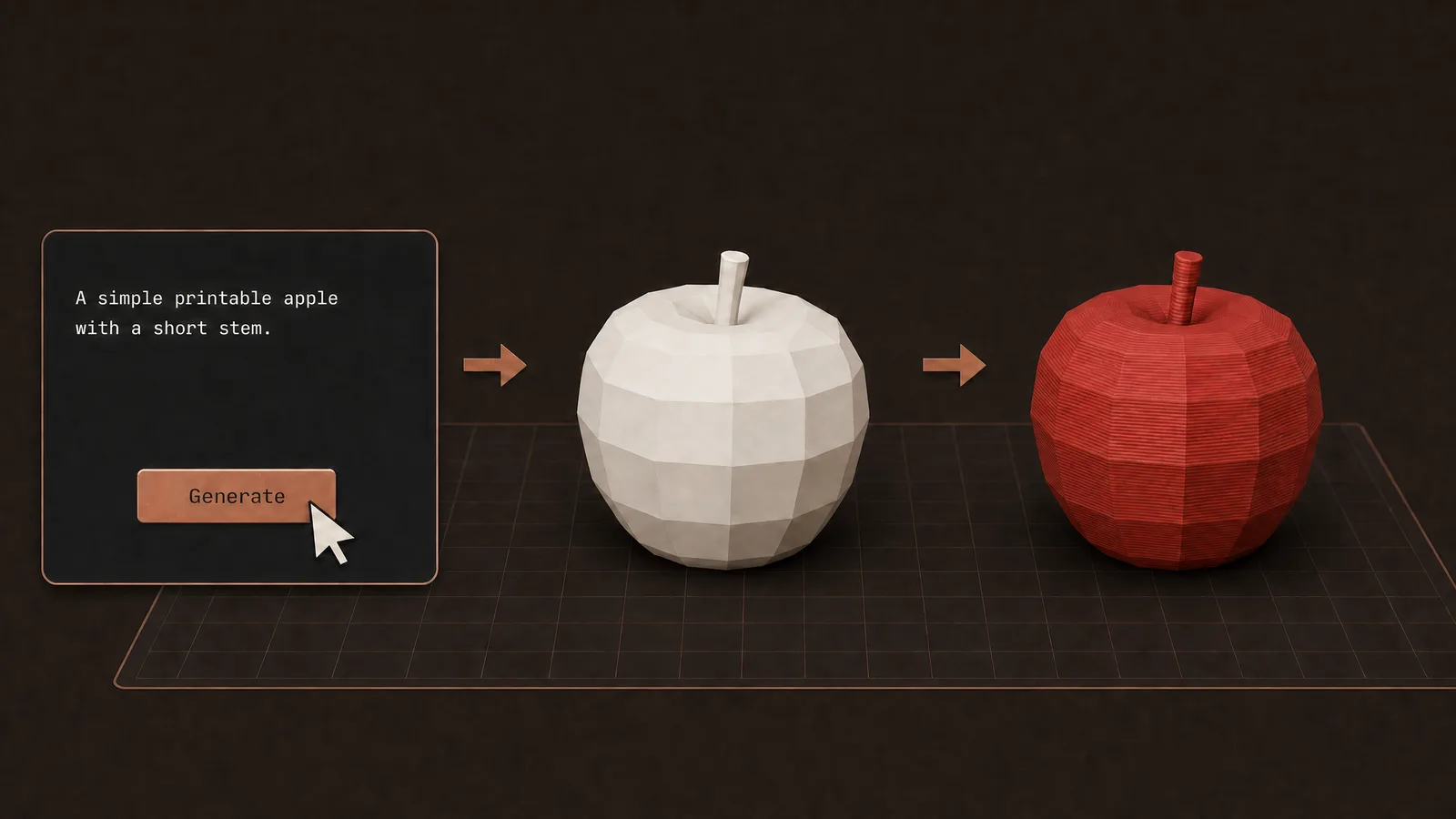
How to tell it is moisture, then dry the spool
1 Stop tuning the slicer first
Your print is stringing, so you crank retraction and drop the temperature. It barely helps. That is the tell. The problem is often in the spool, not the profile.
2 The spool can look fine
No white spots. No weird smell. You still will not see moisture on the outside. Filament absorbs water from the air anyway.
3 Steam in the nozzle
In the hot nozzle that water turns to steam. The melt expands and squirts out when it shouldn't. Bambu lists stringing, oozing, holes, rough surfaces, and weaker parts. Prusa says the first signal is often just a rough surface — plus blobs, bubbles, even smoke if it is bad.
4 Dry it, then seal it
Dry the spool — dryer, dehydrator, or oven at the right temp for your material. Then store it sealed. Open air can re-wet thirsty filament in a few hours. Look up the temp on Bambu or Prusa for that filament. Do not guess.
FAQ
Can I see wet filament on the spool?
Usually not. No white spots and no smell does not mean it is dry. The moisture is in the plastic. You see it in the print: stringing, holes, rough surfaces.
Will more retraction fix the stringing?
Not if the filament is wet. Retraction fights ooze from a dry melt. Steam from wet filament still expands in the nozzle. Dry the spool first, then tune.
Dryer, dehydrator, or kitchen oven?
Any of those, at the temperature for that material. Bambu and Prusa publish drying charts. Do not invent a number. Then bag it or box it so it does not soak again.
How fast does filament get wet again?
Open air can re-wet thirsty filament in a few hours. Dry it, then store it sealed. Leaving the spool on the printer overnight is how you do this twice.
Full transcript
Your print is stringing like crazy, so you crank retraction and drop the temperature — and it barely helps. The spool looks fine. No white spots. No weird smell. But the filament can still be wet, and you won't see it on the outside of the spool. Here's what's happening: filament absorbs moisture from the air. In the hot nozzle that water turns to steam, the melt expands and squirts out when it shouldn't. Bambu's wiki lists the result: stringing, oozing, holes, rough surfaces, and weaker parts. Prusa says the first signal is often just a rough surface — plus blobs, bubbles, even smoke if it's bad. So stop tuning slicer settings first. Dry the spool — dryer, dehydrator, or oven at the right temp for your material. Then store it sealed. Open air can re-wet thirsty filament in a few hours. Once prints clean up, make something worth printing. Obloid's AI Model Generator builds printable models from a prompt or photo.
 Why holes print undersized
 If walls feel weak, don't add more infill
 The STL looked fine until you sliced it
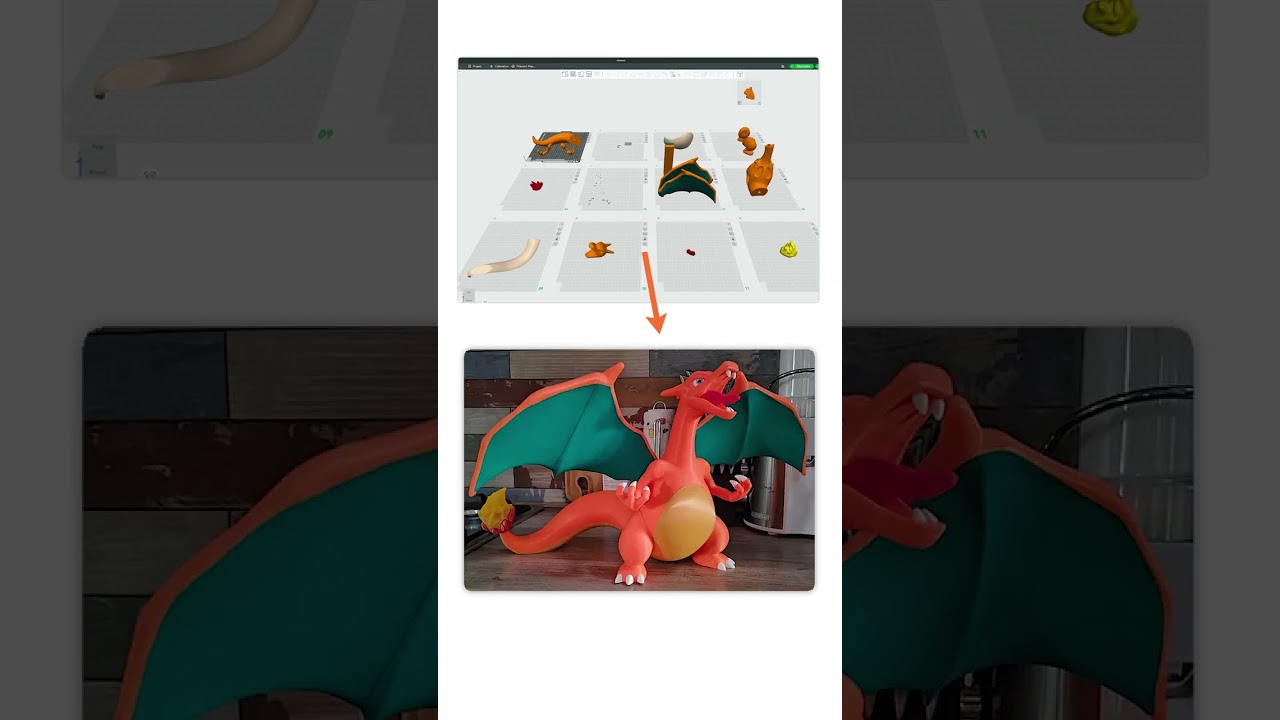 5 mistakes every 3D printing beginner makes
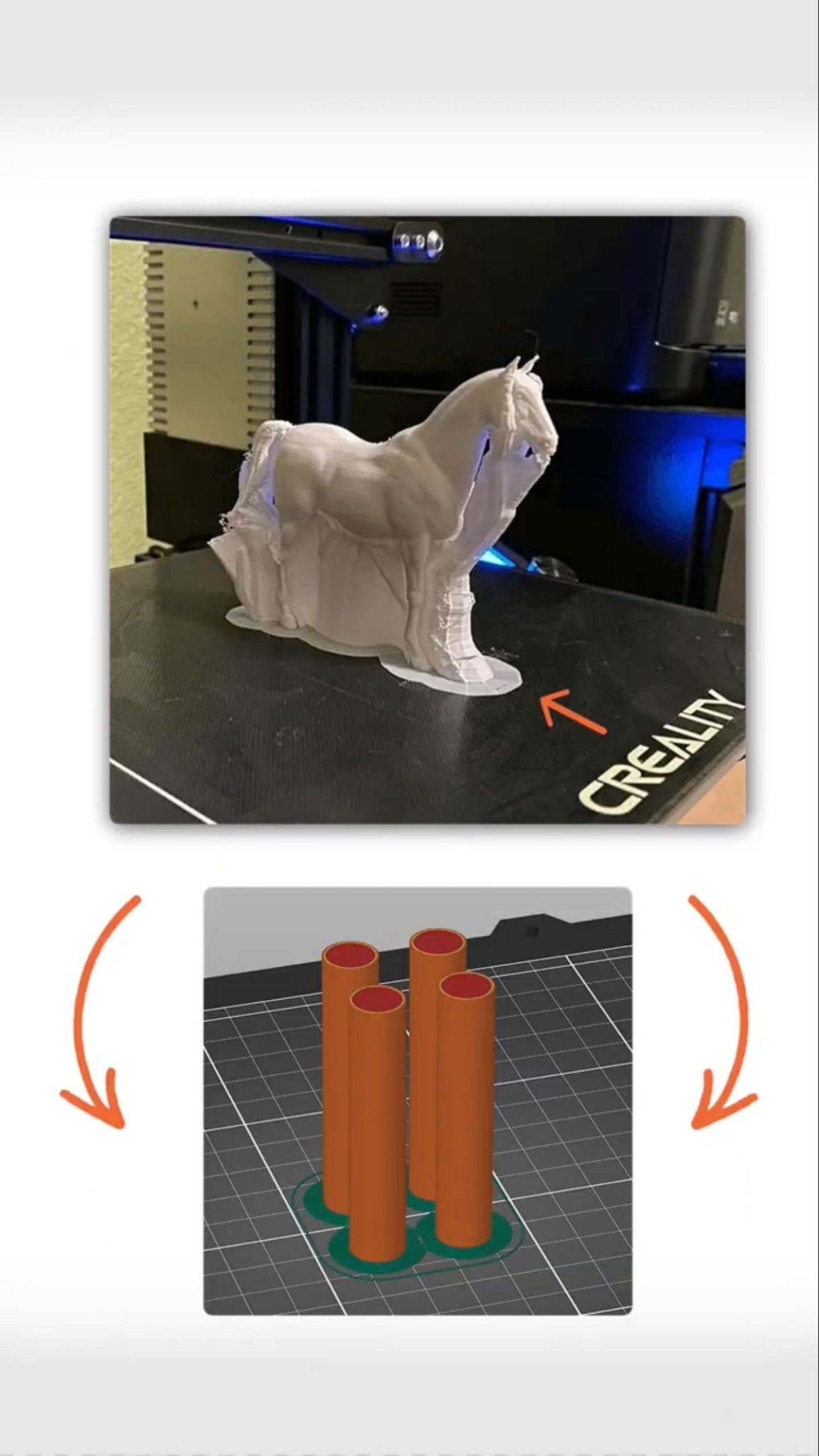 Stop putting a brim on every print
 If it smells burnt, drop the nozzle temp